The Definitive Guide to Water Quality in Domestic Cisterns: Maintenance and Regulations
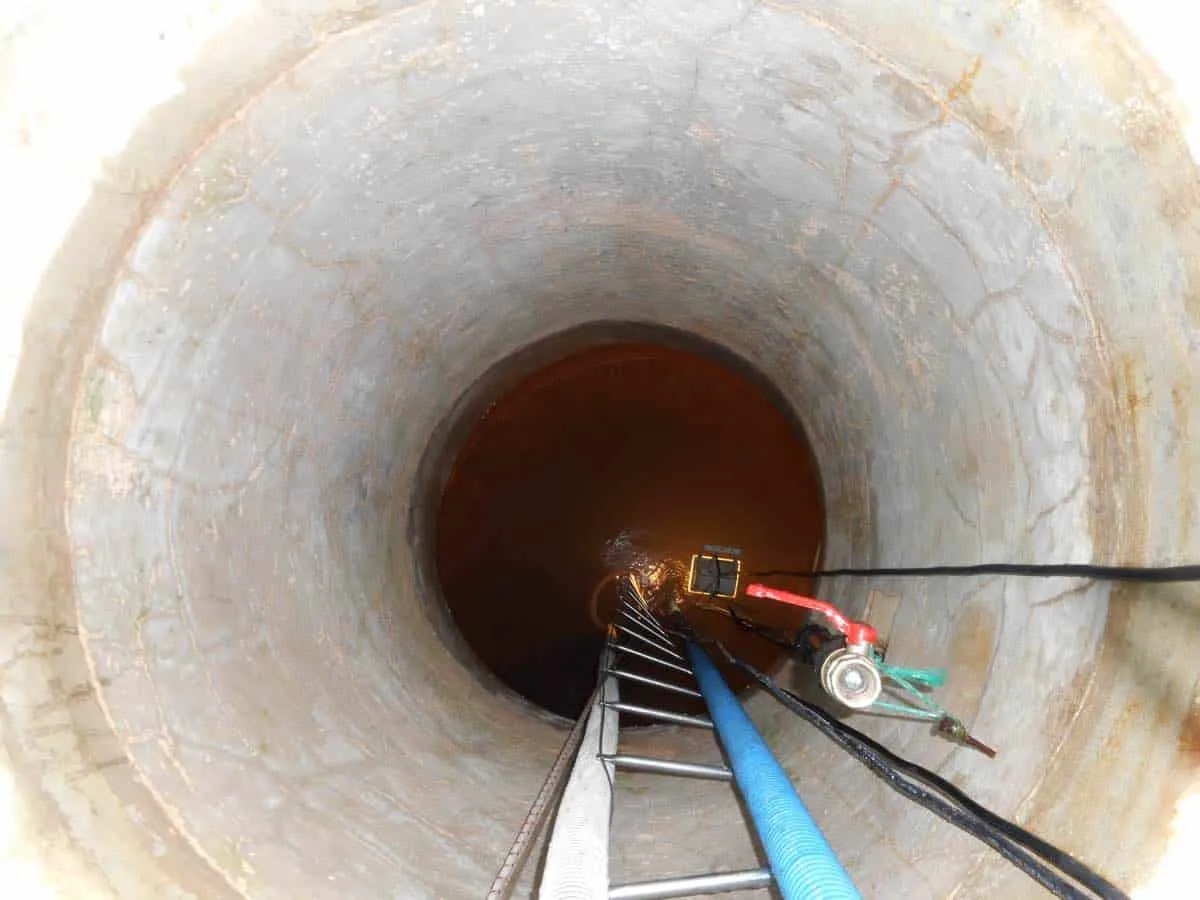
In Mallorca, where many homes — particularly in rural areas or those far from the municipal network — rely fully or partly on cisterns for their water supply, keeping that water clean isn't a minor detail: it's a health issue. Unlike mains water, which goes through treatment and continuous monitoring, water stored in a cistern depends directly on how it's collected, how it's kept, and how often the tank is checked.
Where cistern water comes from
The most common source for cistern water is rainwater collected from the roof and gutters, although some properties are also topped up by delivery tankers. In both cases, the quality of the water entering the tank depends directly on the condition of the surfaces it passes over before reaching it. A roof covered in moss, fallen leaves, or bird droppings, or gutters that are dirty or blocked, wash organic matter and contaminants into the cistern every time it rains. That's why cleaning roofs and gutters regularly matters just as much as cleaning the tank itself — it's the first line of defence against contamination.
Why stored water deteriorates
Once inside the cistern, water can deteriorate for several reasons. Sediment settles at the bottom over time, forming a sludge where bacteria can multiply. Lack of turnover or prolonged stagnation encourages the growth of microorganisms, including bacteria such as Legionella, for which bodies like the World Health Organization generally recommend control measures in water storage systems to minimize risk. Insects, rodents, or small animals getting in through poorly sealed lids is another common source of contamination. And in tanks made of older materials or with worn linings, particles can flake off or corrosion can set in, affecting both the taste and the composition of the water.
The recommended maintenance routine
The recommended maintenance routine combines frequent checks with periodic deep cleans. It's worth visually inspecting the cistern fairly regularly, checking the state of the water, that the lids are properly sealed, and that there's no unusual smell. A full clean of the tank — draining it, removing sediment from the bottom, disinfecting the walls, and rinsing — should generally be done on an annual basis, although tanks under heavy use, in a poor location, or with a history of contamination may need it more often. Given the access and handling this involves, it's a job best left to professional cistern cleaning crews with the right equipment and experience.
What you can check yourself
Between cleans, there are simple checks any owner can carry out without going into the tank. Make sure the lid closes properly and doesn't let light in, because light encourages algae. Check that the overflow and vents have a grille or mesh and that it's still intact, as these are the usual way in for insects and small animals. Look at the filters or settling chambers on the rainwater downpipe, if you have them, and clean them after the first rains.
What you should never do is climb down into the cistern. It's a confined space with poor ventilation and often a slippery floor, and going in without the proper equipment is dangerous. If something looks wrong when you check it, go over the signs of a contaminated cistern and leave the cleaning to a crew equipped for the job.
What's different about cisterns in Mallorca
The island's climate and way of life add a few factors of their own. Well water delivered by tanker truck tends to be hard and rich in lime, and over time it leaves scale and a fine sediment at the bottom of the tank. In summer the heat raises the temperature of the stored water, and that encourages microbial growth. Seasonal homes that stay closed for months build up stagnant water that should be renewed before it's used again. And the first autumn rains after a long, dry summer wash down everything that has collected on roofs and in gutters: if your system allows it, diverting that first flush before it reaches the cistern is a very effective measure.
That's why, in many homes on the island, it makes sense to schedule the clean at the end of summer or before the autumn rains. Before the visit, it's worth preparing the tank for cleaning: adjusting your water use in the days beforehand and clearing access to it.
What the regulations say
On the regulatory side, Spain governs the quality of water intended for human consumption through Real Decreto 3/2023, which sets quality criteria that also apply to private storage and distribution systems supplying homes, not just public networks. In practice, this means that even though a cistern is privately owned, the water leaving it for domestic use must meet minimum safety standards, and a large part of that responsibility falls on how well the tank itself is maintained.
On top of that comes Real Decreto 487/2022, which sets out the health requirements for preventing and controlling legionellosis in water installations. If the cistern supplies a business open to the public, such as an agritourism property or a holiday rental, it's worth checking the specific obligations, which may be stricter than for a private home.
When to have the water tested
It's also worth knowing when to have the water tested independently, beyond routine maintenance. It's advisable after a thorough cleaning to confirm the process was effective, whenever there's a noticeable change in the water's colour, smell, or taste, after periods of heavy rain that may have washed in more contaminants than usual, or simply on a periodic basis if the cistern is the property's only water source. A laboratory test is the only reliable way to confirm the water is fit for consumption, and it complements — never replaces — regular cleaning and maintenance of the tank.
If the test results aren't good
If a test shows the water isn't fit for consumption, the first step is not to drink it or cook with it until the problem is solved, and to tell anyone living or staying in the house. After that, the sensible course is to drain the tank, remove the sediment, clean and disinfect the walls and floor, and find out how the problem got in: a lid that doesn't close, a crack, a gutter washing in dirt or a torn mesh. Once the tank has been cleaned and refilled, a new test confirms that it's back in good condition.
Frequently asked questions
How often should a domestic cistern be cleaned?
As a general guide, one full clean a year. If the cistern is heavily used, collects water from a roof with trees nearby or has had contamination problems, it may need cleaning more often. Between cleans, regular visual checks of the lids, mesh and appearance of the water are enough.
Can I drink the water from my cistern?
Only if you're certain it's fit to drink, and only a laboratory test can confirm that. Water that looks clear and doesn't smell isn't necessarily safe to drink. Until you have the result, don't drink it or cook with it.
How is cistern water different from mains water?
Mains water arrives treated and monitored by the organisation that runs the supply; cistern water depends entirely on how it's collected and stored, so maintaining it is the owner's responsibility. If you're interested in the mains side, we explain it in our guide to drinking water quality in Mallorca.
Does the cistern have to be emptied to clean it?
Yes. To remove the sediment from the bottom and disinfect the walls and floor, the tank has to be empty. It's best to plan the clean around your water use in the days beforehand so that most of the water gets used, and then arrange the refill afterwards.
Related services
Where we work
Keep reading
24h emergency unblocking
Emergency: +34 695 787 366