Cistern cleaning in Mallorca: how often, regulations, process and cost
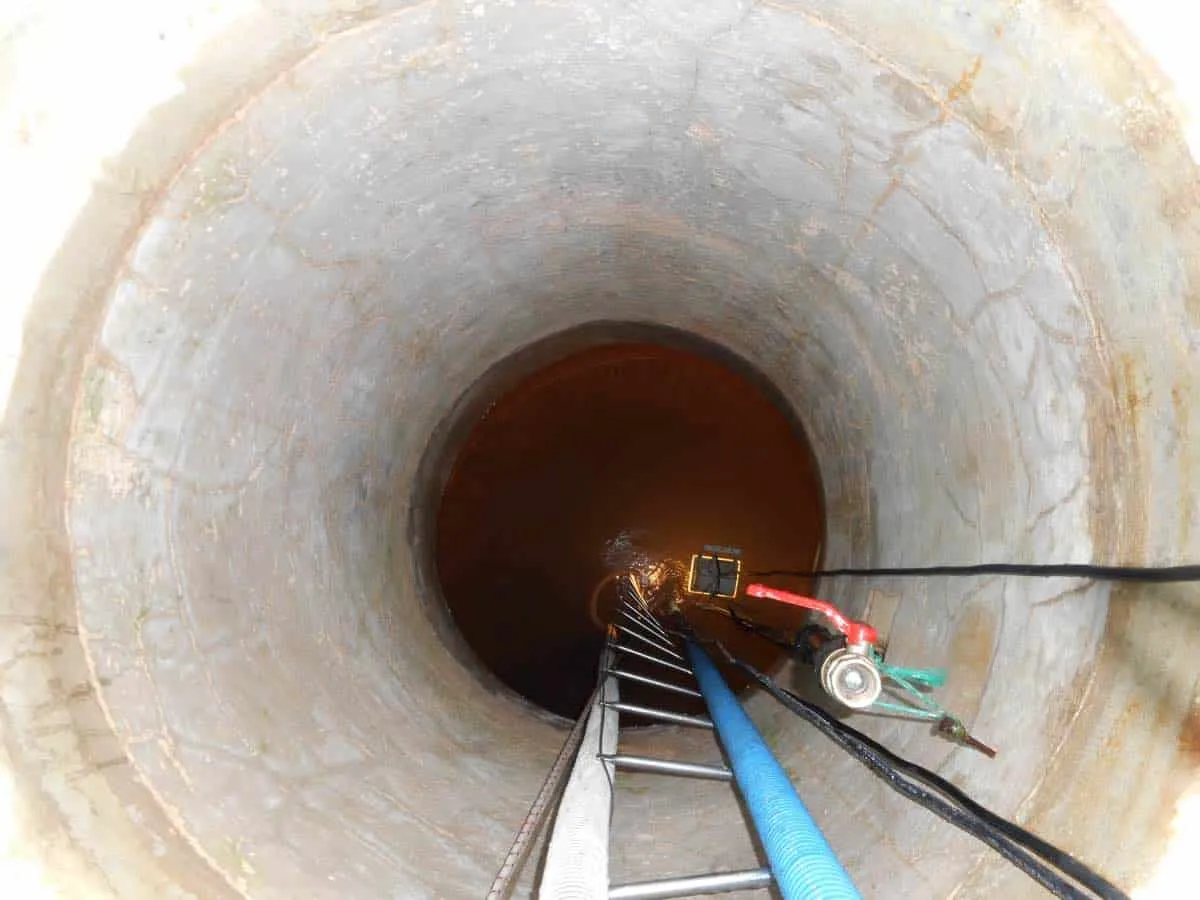
If you own a cistern in Mallorca, sooner or later you will ask the same questions: how often it needs cleaning, whether it has to be emptied completely, whether the water is drinkable afterwards, what it costs and whether any rule covers it. This guide answers all of that from what we see in everyday work on cisterns in homes, country properties, possessions and apartment buildings across the island.
How often should a cistern be cleaned?
The general guide is one full clean a year. It is not a universal rule but a sensible benchmark that shifts with how the cistern is used and where its water comes from. Sediment settles on the bottom over time, and that sludge is where bacteria and algae thrive. Cleaning once a year stops it building up to problem levels.
| Situation | What we recommend |
|---|---|
| Home with normal domestic use | At least one clean a year |
| Water used for drinking or heavy irrigation | More often than once a year |
| Roof with trees nearby, or gutters that carry in dirt | More often, and check the gutters too |
| Second home or house left closed for months | Before moving back in, without waiting for symptoms |
| Holiday rental or agrotourism with guests | Before the season, with reinforced disinfection; use is more constant |
| After heavy rain that washes soil and sand into the cistern | A clean to remove what has come in |
| After an unfavourable water test | Clean and disinfect as soon as possible, then test again |
When in the year
Two windows work well in Mallorca. The first is late summer or just before the autumn rains: after a long dry summer, the first rain washes everything that has built up on roofs and gutters down into the system, so you want the tank clean and the gutters checked before that water arrives. The second is spring, particularly on properties with irrigation: cleaning before heavy irrigation starts means the water you are about to use comes from a clean tank. In the Sóller valley, for instance, we recommend moving the clean forward to spring, before the orange season.
Signs your cistern cannot wait
- A strange smell from the water or around the tank.
- Cloudy water or a change of colour.
- Visible sediment when you draw water, or on the bottom.
- Algae, especially if the lid lets light in.
- Insects or remains of small animals inside, a sign that an opening is not sealed.
If in doubt, a professional check will settle it. To understand what each sign means and what the risks are, read how to tell if a cistern is contaminated. One of the most serious contamination risks in water tanks is the growth of bacteria such as Legionella, explained in how bacteria like Legionella form in water tanks.
What the regulations say, in general terms
We are not going to quote individual articles, because regulations change and how they apply depends on the type of installation. In general terms, this is what is worth knowing:
- Water for human consumption has health-based quality criteria. In Spain they are set out in Royal Decree 3/2023. If your cistern water is drunk or used for cooking, ensuring it is fit to use depends to a large extent on maintaining the tank itself.
- Legionellosis has its own rule. Royal Decree 487/2022 sets health requirements for preventing and controlling it in water installations. If the cistern or tank supplies an activity open to the public, such as agrotourism or a holiday rental, the obligations can be stricter than for a private home.
- Cleaning waste is handled properly. The sludge and sediment removed are dealt with according to the relevant disposal rules, leaving no waste on the property.
- Going into a cistern is not a DIY job. It is a confined space with little ventilation and slippery floors, which is why the cleaning should be done by a prepared team.
This guide is informative and does not replace advice from the health authority or from a legal professional. If you run an activity open to the public (tourist accommodation, catering, agrotourism), check which specific obligations apply to you. For a closer look at the general framework, see our guide to water quality in domestic cisterns.
The cleaning process, step by step
- Booking and preparation. We agree the visit in advance and ask you to adjust water use in the days before so the water in the tank is not wasted. Clearing access to the lid and the work area saves time. There is a practical list in the checklist to prepare your water tank before cleaning.
- Complete emptying. To remove the sediment on the bottom and disinfect walls and floor, the tank has to be completely empty. While it is being cleaned the cistern is out of service.
- Removing sludge and sediment. What has built up on the bottom is taken out. This is the step that improves the water the most.
- Cleaning walls and floor. All surfaces of the tank are cleaned thoroughly.
- Disinfection. Disinfectant is applied and left to act for as long as the product requires. In our service it is included, not an extra.
- Checking the structure. We use the visit to check the general condition: lid, access points, possible cracks. If we see any deterioration we tell you before the cistern is ready to fill again.
- Refilling and, where relevant, testing. The tank starts collecting water again. If the water will be drunk, an independent test is recommended.
We do not give a fixed duration because it depends on volume, access and how much sludge there is. What we do is tell you in advance when the cistern will be out of service, so you can plan around it.
Before and after the clean: what you can do
Before
- Use up the water in the tank over the previous days, without leaving the house without water all at once.
- Keep access to the cistern clear: lid, path and work area.
- Let anyone living or staying in the house know there will be no cistern water during the clean.
- If access is difficult, tell us when you book: narrow track, steps, a vehicle that cannot get close.
After
- Check the gutters and the downpipe: if they carry in leaves and dirt, the cistern will get dirty again.
- If possible, divert the first rain after a dry spell before it enters the cistern.
- Check that the lid closes properly, lets no light through, and that the vent and overflow screens are intact.
- If the water is drunk, have it tested independently. Cleaning and disinfection noticeably improve the quality of the stored water, but only a test confirms it is fit to drink.
What affects the price
We do not publish price lists, because no two cisterns are the same. What we can tell you is what weighs on the price, so you know what to expect:
| Factor | Why it matters |
|---|---|
| Volume of the cistern | More water to remove, more surface to clean and disinfect |
| Amount of accumulated sludge | A cistern that has gone years without cleaning means more work than one checked every year |
| Access | A narrow lid, steps or no vehicle access mean adapting equipment and process; common on rural properties |
| Type of tank | Stone or masonry compared with polyester or precast concrete: the process is adapted to each |
| Condition of the structure | If there are cracks or deterioration, we spot and report it; it may need a separate repair |
| Added services | A camera check of the pipework, or cleaning several tanks in the same visit |
Our commitment is always the same: you get a clear quote before we start, and disinfection is included in the cleaning service, not charged separately. To ask for a quote, call +34 695 787 366 or message us on WhatsApp.
Traditional cistern or modern tank
The aljibe is a traditional structure, usually stone or masonry, while modern tanks tend to be polyester or precast concrete. The cleaning process is adapted to each type. In an old cistern we pay more attention to the structure (walls, joints and lid), because damp and age wear them down. In a modern tank the work is quicker, but disinfection matters just as much. If yours is a communal, agricultural or industrial tank, we have a specific service: water tank cleaning.
Cisterns on country properties, holiday rentals and second homes
Country properties and possessions. The cistern is usually filled with rainwater collected from the roof, so besides cleaning the tank you should check the gutters. Many properties have awkward access and sometimes cisterns cut into the rock; in those cases we adapt the equipment and, if necessary, carry part of the material in on foot. More on rural areas under Pollença, Felanitx or Llucmajor.
Holiday rentals and agrotourism. With guests staying, use is more constant and the health demands are higher. We reinforce disinfection and keep a closer eye on the condition of the water. The full checklist before the season is in holiday rentals in Mallorca: the water and drainage check to do before the season.
Second homes. Houses left closed for months accumulate stagnant water. Clean before moving back in rather than waiting for symptoms.
Common mistakes
- Waiting for symptoms. By the time the water smells or looks cloudy, the problem has been there for a while.
- Cleaning the tank and forgetting the gutters. If dirt keeps coming in, the clean does not last.
- Leaving the lid loose. Light encourages algae, and gaps let in insects and small animals.
- Going into the cistern without proper equipment. It is a confined space and dangerous.
- Assuming the water is drinkable because it looks clear. Clear water can still be unfit; only a test confirms it.
- Not checking the structure. A small crack today is a leak tomorrow.
When to ask for a leak check as well
If the cistern loses level when nobody is using it, cleaning is not enough: you need to find out whether there is a crack in the tank itself, an open joint or a loss in the outlet pipework. We check both tank and pipework to tell which of the three it is. More at water leak detection.
Where we offer this service
We clean cisterns across Mallorca. The full service is on cistern cleaning, and local information for each town is under areas we cover.
Frequently asked questions
How often should a cistern be cleaned?
As a general guide, at least once a year, and more often if the water is used for drinking or heavy irrigation, if the roof has trees nearby or if the cistern has had contamination problems.
Is the water fit to drink after cleaning?
Cleaning and disinfection noticeably improve the quality of the stored water, but for human consumption we always recommend checking potability with an independent test.
Can I keep using the cistern water while it is being cleaned?
No. During cleaning the cistern is empty and temporarily out of service. We tell you in advance so you can plan.
Does the cistern have to be emptied completely?
Yes. To remove the sediment on the bottom and disinfect walls and floor, the tank has to be empty. It is worth adjusting water use in the days before so you make the most of the water.
How much does cistern cleaning cost in Mallorca?
It depends on the volume, the access, the amount of sludge and the type of tank. You get a clear quote before we start. Disinfection is included in the cleaning service.
How long does it take to clean a cistern?
It depends on the volume and the access. We tell you in advance when it will be out of service so you can organise yourself.
What do you do with the sludge and sediment you remove?
It is removed and handled according to the relevant disposal rules, leaving no waste on the property.
Do you work on cisterns with difficult access, such as on rural properties?
Yes, it is common: we adapt the equipment and, if needed, the way of working to the access available at each property.
How far in advance do I need to book?
It depends on the time of year. In high season we recommend contacting us a few days ahead, although we try to fit in with each customer's availability.
Can I clean the cistern myself?
We do not recommend it. It is a confined space with little ventilation and slippery floors, and going in without proper equipment is dangerous. What you can do yourself is check the lid, the screens and the gutters.
Related services
Where we work
Keep reading
- The Definitive Guide to Water Quality in Domestic Cisterns: Maintenance and Regulations
- How to Tell If a Water Cistern Is Contaminated: Signs, Risks and Solutions
- Checklist to Prepare Your Water Tank Before Cleaning
- How Bacteria Like Legionella Form in Water Tanks
- Holiday rentals in Mallorca: the water and drainage check to do before the season
24h emergency unblocking
Emergency: +34 695 787 366