How to Tell If a Water Cistern Is Contaminated: Signs, Risks and Solutions
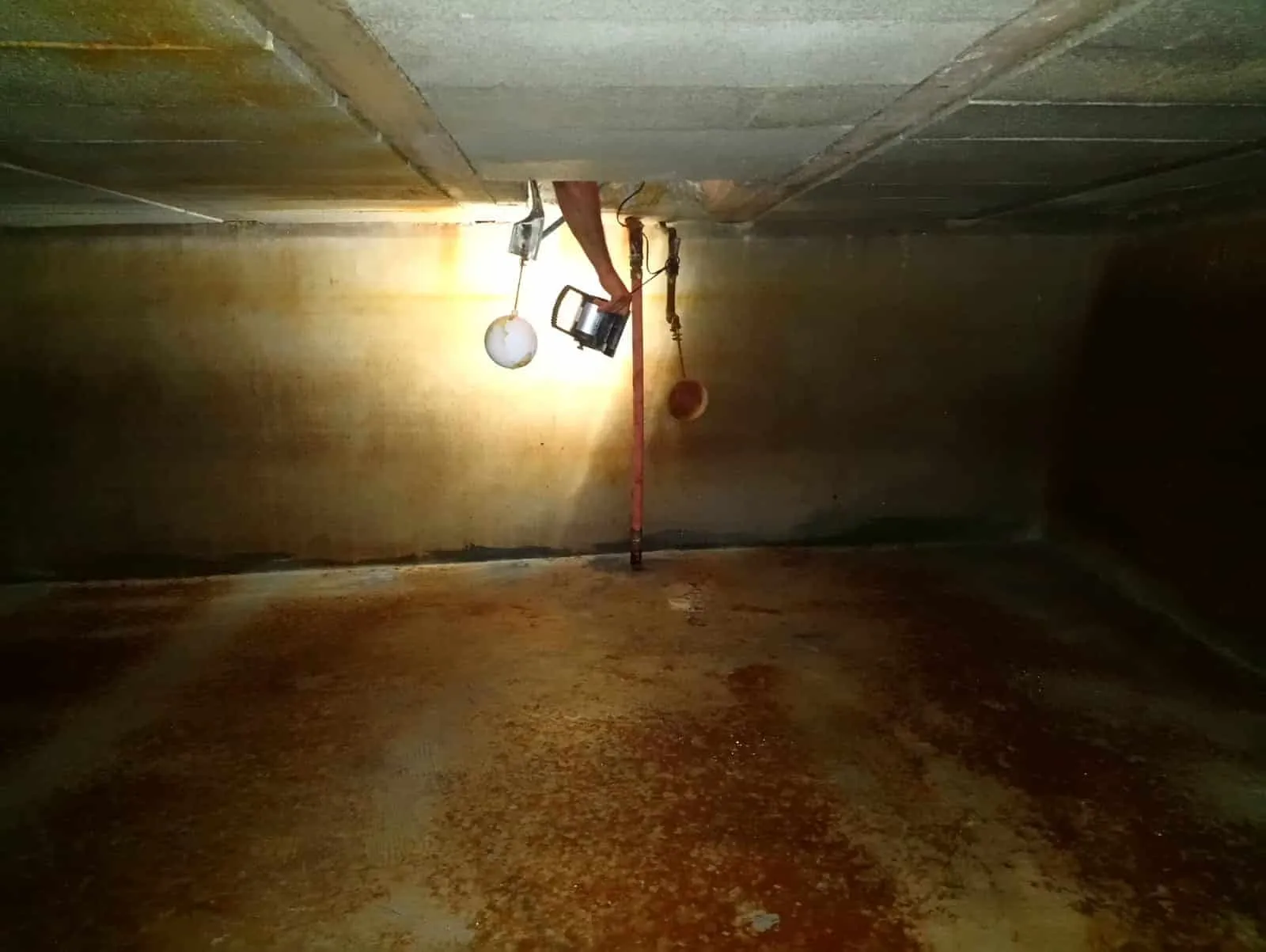
Many homes and country properties in Mallorca still rely on a water cistern, or aljibe, either as their main water store or as backup to the mains supply. It's a practical solution that's widespread across the island, but like any enclosed tank, it needs regular upkeep. When that upkeep is neglected, the water can become contaminated without it being obvious at first glance, and recognising the warning signs early makes the difference between a minor issue and a genuine health risk for the people living in the house.
Smell and taste: the first warnings
Smell is often the first clue. A cistern in good condition shouldn't produce noticeable odours when you turn on the tap or open the tank. If you notice a rotten-egg smell, or an overly earthy or musty one, there is likely organic matter decomposing at the bottom or biological growth on the walls. Taste changes too: a metallic, brackish or simply "off" aftertaste shouldn't be ignored, even if the water is only used for non-drinking purposes.
Cloudiness, colour and sediment
Turbidity is another clear sign. Water from a clean cistern is usually clear, or at most slightly yellowish depending on its source. If it comes out cloudy, with particles in suspension, or takes a while to settle after standing in a glass, there's likely sediment stirred up from the bottom, dirt seeping in through a poorly sealed opening, or decomposing organic matter. Sediment that builds up at the bottom of the tank over years without being cleaned becomes a breeding ground for bacteria and gives insects and other organisms a place to reproduce.
Colour also offers clues. Greenish tones usually point to algae, which need light to grow — common in cisterns with ill-fitting lids or cracks letting light in. Brownish or orange tones can indicate rust from pipes or metal fittings, while a milky appearance or persistent foam can signal contamination from external products. If you also notice a film or "skin" on the surface, or slippery walls when inspecting the interior, there is active biological growth.
How dirt gets into a cistern
Contamination rarely comes out of nowhere: it gets in through a specific point. In cisterns that collect rainwater, the first source is usually the roof. The first autumn rains wash everything that has built up on the roof over the summer into the tank: dust, leaves, bird droppings and insect remains. If the system has no filter or device to divert that first flush, it all ends up at the bottom of the cistern. Clearing gutters and downpipes before the rainy season greatly reduces the load reaching the tank.
The second source is openings: lids that don't close properly, access hatches without seals, vents without mesh, or overflows that let in insects and small animals. On country properties, location matters too. A buried cistern with cracks can take in seepage from the surrounding ground, and if there's a poorly maintained septic tank or cesspit nearby, the risk rises considerably. That's why, in homes off the mains network, septic tank maintenance and cistern maintenance go hand in hand. And when the cistern is filled by tanker, the tank should be clean before the delivery arrives: pouring good water onto a dirty bottom spoils it from day one.
What risks a contaminated cistern carries
The risks of a contaminated cistern aren't just cosmetic. Stagnant water with organic matter is a favourable environment for bacteria, algae and other microorganisms that can cause gastrointestinal problems or, in poorly ventilated tanks with warm water, favour conditions associated with bacteria such as legionella. Spanish regulations on the quality of water intended for human consumption, currently set out in Royal Decree 3/2023, lay down parameters aimed precisely at avoiding these risks. Although a domestic cistern isn't always subject to controls as strict as the municipal supply, common sense suggests treating it with the same care whenever the water is used for personal hygiene or consumption.
How to confirm the state of the water: testing
Visible signs point you in the right direction, but they aren't enough to tell whether the water is safe. Clear, odourless water can still contain bacteria, and slightly cloudy water after a storm isn't always a serious problem. The only way to be sure is a laboratory analysis. The lab will usually provide a sterile container and explain how to take the sample — normally from a tap supplied by the cistern — and how and when to hand it in. Ask for the analysis to include microbiological parameters, not just chemical ones.
It makes sense to test the water when any of the signs above appear, after a long period without use, when the cistern has been refilled after standing empty for a long time, and also after a clean, to confirm the result is what you expected. If the water is used for drinking and the result isn't satisfactory, the sensible course is not to drink it until the source of the problem has been dealt with, not just the symptom.
What to do if you spot any of these signs
If you spot any of these signs, the first step is to stop using the water for drinking or cooking until you've confirmed its condition. The next step is to call in a professional who can empty the tank, remove accumulated sediment, clean and disinfect the walls, check the lid and seals to prevent further dirt or light from getting in, and inspect the overall condition of the connected pipework. That's exactly what every cistern cleaning we carry out involves: at Tuberías y Aljibes we've spent more than fourteen years cleaning and inspecting cisterns across Mallorca, and we know that regular preventive cleaning is far simpler and cheaper than dealing with contamination that's already taken hold.
How often to clean a cistern, and when
As a rough guide, a domestic cistern should be cleaned and disinfected once a year, and more often if it collects water from a roof with trees nearby, if it has had problems before, or if it supplies a holiday rental with high turnover. In Mallorca the best time is usually late summer or early autumn: the water level is low, less water is wasted, and the tank is left clean just before the rains fill it up again.
A few steps before the clean make the job easier, such as letting the level drop, clearing access to the lid and knowing which parts of the house depend on the cistern. We cover them in our checklist for preparing a tank before cleaning. We work across the whole island, from village houses to country estates in Llucmajor and the central plain, and the sediment we remove is delivered to authorised waste handlers. If you can't remember the last time your cistern was cleaned, it's probably a good time to have it checked.
Frequently asked questions
How often should a cistern be cleaned?
For a home in normal use, one clean and disinfection a year is a reasonable benchmark. It's worth bringing it forward if the water has changed in smell, colour or taste, if the cistern collects rain from a roof with trees, or if the house has been closed for a long time. For holiday rentals, the most practical option is to do it before the season starts.
Can I drink cistern water if it looks fine?
Appearance guarantees nothing: many bacteria don't change the colour or smell of water at all. Until you have a recent analysis with a favourable result, it's sensible not to use it for drinking or cooking. Our guide to cistern water quality explains what is usually tested and how to look after the tank.
Is adding chlorine to the cistern enough?
Not if there's sediment at the bottom or biofilm on the walls. That material uses up the disinfectant and shelters microorganisms, so the water improves for a few days and then deteriorates again. The right order is to empty, remove the sediment, clean the walls and only then disinfect.
The water is cloudy after a storm. Is that serious?
It's common in cisterns that collect rainwater, because the first flush carries whatever was on the roof and stirs up the bottom. Avoid drinking it and give it a few days to settle. If the cloudiness doesn't clear, or a bad smell appears as well, the cistern needs cleaning and its water inlets need checking.
Related services
Where we work
Keep reading
24h emergency unblocking
Emergency: +34 695 787 366