Bad smells from your drains: why they happen and how to get rid of them
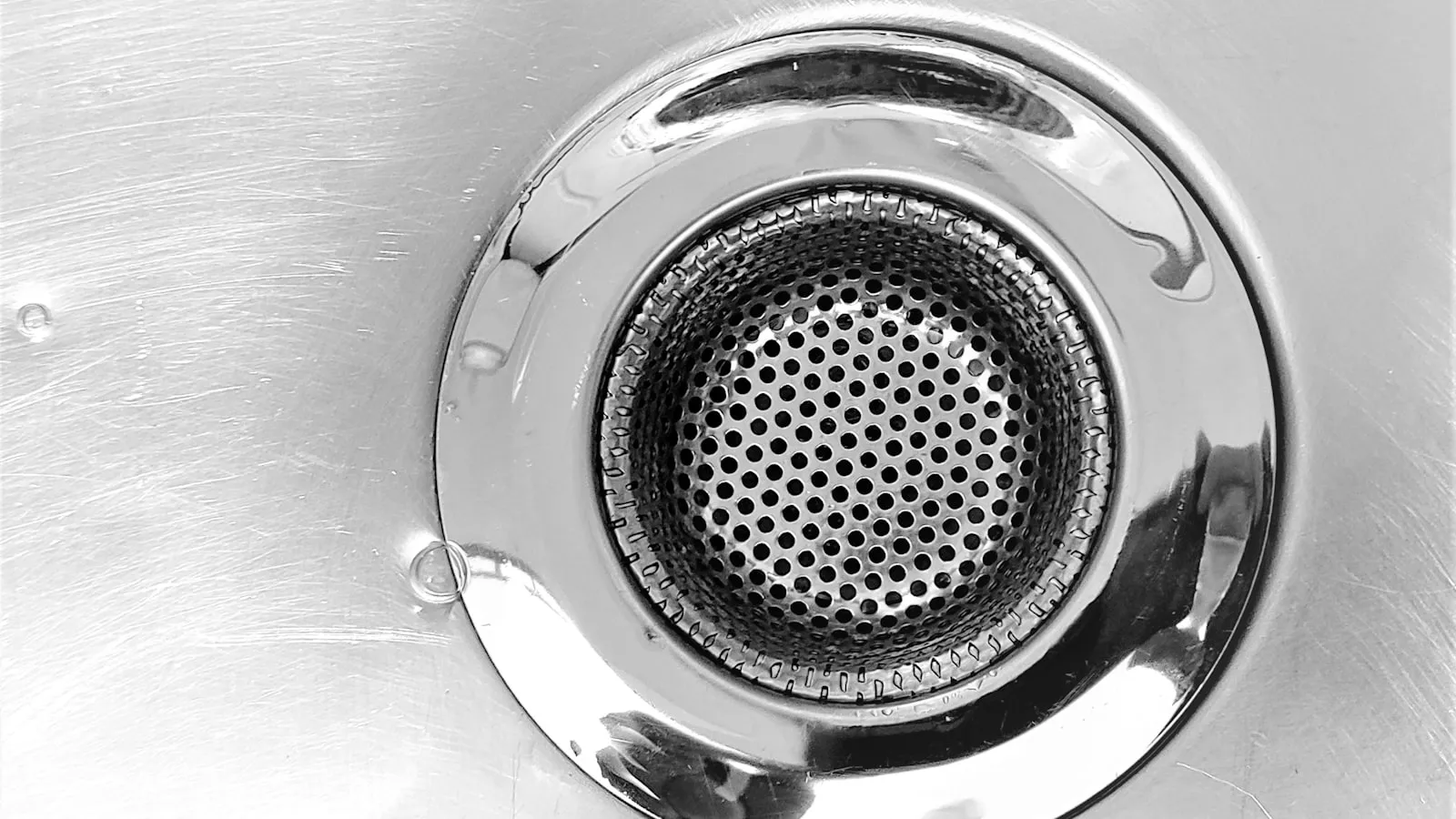
Few things give away a drainage problem as clearly as a smell that won't go away. It's also one of the most common reasons people call us, and it almost always comes with the same line: "I've tried everything and it keeps coming back." The reason is that the smell is a symptom, not the fault: it can come from an empty trap, from years of accumulated grease, from poorly resolved venting, or from a chamber that no longer drains as it should. Working out where it's coming from is what separates a two-minute fix from one you have to repeat every week.
A dry trap: the most common cause and the easiest to fix
Every drain in the house has a trap — that curved section under the sink or basin that always holds a little water. That small liquid plug is the only thing separating your home from the air inside the drainage network. When the water in the trap evaporates, the smell rises with nothing to stop it. It happens mostly in drains that haven't been used for weeks: the shower tray in a guest bathroom, the gully in a utility room, the sink in a closed-up second home, or any point in an empty house in the middle of a Mallorcan August, when evaporation speeds up.
The check is simple: run the tap at that point for half a minute and wait. If the smell disappears, it was a dry trap and there is no fault at all. In homes that will be left empty for a season, the habit of pouring a glass of water down each drain before leaving prevents the problem entirely. It's the same preventive logic we apply when getting pipework ready for winter in seasonal properties.
Grease and biofilm: the smell that always comes back
If the smell persists with a full trap, the problem is most likely on the inside wall of the pipe. Over time, cooking grease, soap residue, hair and organic waste form a layer — biofilm — that acts like a sponge: it holds decomposing matter and releases it every time hot water passes through. That's the smell that returns two days after you poured a supermarket product down the drain, because the product dissolved part of it and left the rest stuck fast.
In these cases neither bleach nor home remedies fix anything lastingly, and repeated use of chemical drain cleaners ends up punishing seals and pipework — a particular concern in the island's older buildings. What does work is a clean that physically flushes the residue from the full diameter of the pipe, not just the central channel. That is exactly what high-pressure water does in a professional drain clean, and it's why the result lasts months rather than days.
When the problem is the venting of the system
There is a third, less familiar scenario that's fairly common in badly finished renovations. A drainage system needs venting: a column of air that lets water fall without creating a vacuum. If that vent is blocked, poorly built or simply absent, a basin emptying can siphon the water out of another trap elsewhere in the house when a bath drains or a cistern flushes. The result is a trap that empties itself, over and over, even though the fitting is used daily.
The tell-tale sign is sound: a gurgling or bubbling in one drain when you use a different one. If that happens, the fix isn't cleaning but reviewing how the venting of that stack was resolved. It's one of the defects that shows up most clearly when the installation is run through with a camera.
Smells coming from the chamber or the underground run
When the smell isn't traceable to one fitting but is noticeable in the yard, the garage, a ground-floor bathroom or when you lift an inspection cover, the source is usually further down: in the inspection chamber, the buried collector, or the section connecting to the mains or the septic tank. The usual causes here are sediment build-up, a back-fall that permanently holds dirty water, or tree roots getting in, breaking the pipe section and slowing the flow.
Digging blind in these cases is expensive and unnecessary. The sensible way to proceed is to feed a camera in through an existing access point and see the real condition of that stretch before deciding anything. A CCTV pipe inspection locates the exact spot from the surface, and from there the work is planned with data instead of guesswork.
Cisterns and tanks: when the smell isn't from the drain
One frequent confusion is worth ruling out. If the smell appears when you turn on the tap — not at the drain — and you notice it in the shower and the hot water too, the source isn't the drainage but the storage. A cistern or tank with sediment at the bottom, light getting in through an ill-fitting lid, or water that hasn't been refreshed for months gives off earthy, musty or rotten-egg smells that carry through the whole installation.
That's a different problem with a different solution: emptying, sediment removal, cleaning and disinfecting the walls, and checking lids and seals. If the smell reaches you through the tap, start by reviewing the signs of a contaminated cistern before touching any drain.
What to try before calling a professional
There's a sequence worth following, because it solves a good share of cases and, when it doesn't, it gives you very useful information. First, run every tap and drain in the house for half a minute each and see whether the smell fades: that rules dry traps in or out. Second, remove and clean the trap at the point that smells, if it's accessible. Third, note whether there's gurgling when you use other drains, whether water is draining slowly, and whether the smell appears in several places at once.
If the smell survives all that, or if it came with slow drains and noises from the start, it's no longer a surface cleaning matter. At Tuberías y Aljibes we've spent more than fourteen years handling these call-outs across Mallorca, from flats in central Palma to inland country properties, and the pattern is clear: the smell is almost never the problem, it's the warning. Dealing with it when it appears costs considerably less than waiting until it becomes a blockage with a house full of people.
Frequently asked questions
Why does my drain only smell in summer?
In hot weather the water sitting in the trap evaporates faster, and any organic matter in the pipe breaks down sooner. That's why odours appear or get worse in July and August, especially in rarely used bathrooms and second homes.
Does pouring bleach or vinegar down the drain work?
It masks the smell for a few days, but it doesn't remove the grease and biofilm stuck to the pipe wall, which is what actually smells. Repeated use of harsh products also damages seals and older pipework. The lasting fix is a clean that physically flushes the residue out.
Can a bad smell mean a serious fault?
It can. If the smell is constant, shows up in several places at once, or comes with slow drains and gurgling noises, there is usually a blockage or a defect in the installation. In that case a CCTV pipe inspection is worth doing before anyone starts breaking floors.
How often should traps be cleaned?
In a home in regular use, cleaning the kitchen and bathroom traps once or twice a year is enough. In holiday rentals or properties with high turnover, it's worth doing it at the start and the end of the season.
Related services
Where we work
Keep reading
24h emergency unblocking
Emergency: +34 695 787 366