Common Plumbing Problems in Old Buildings
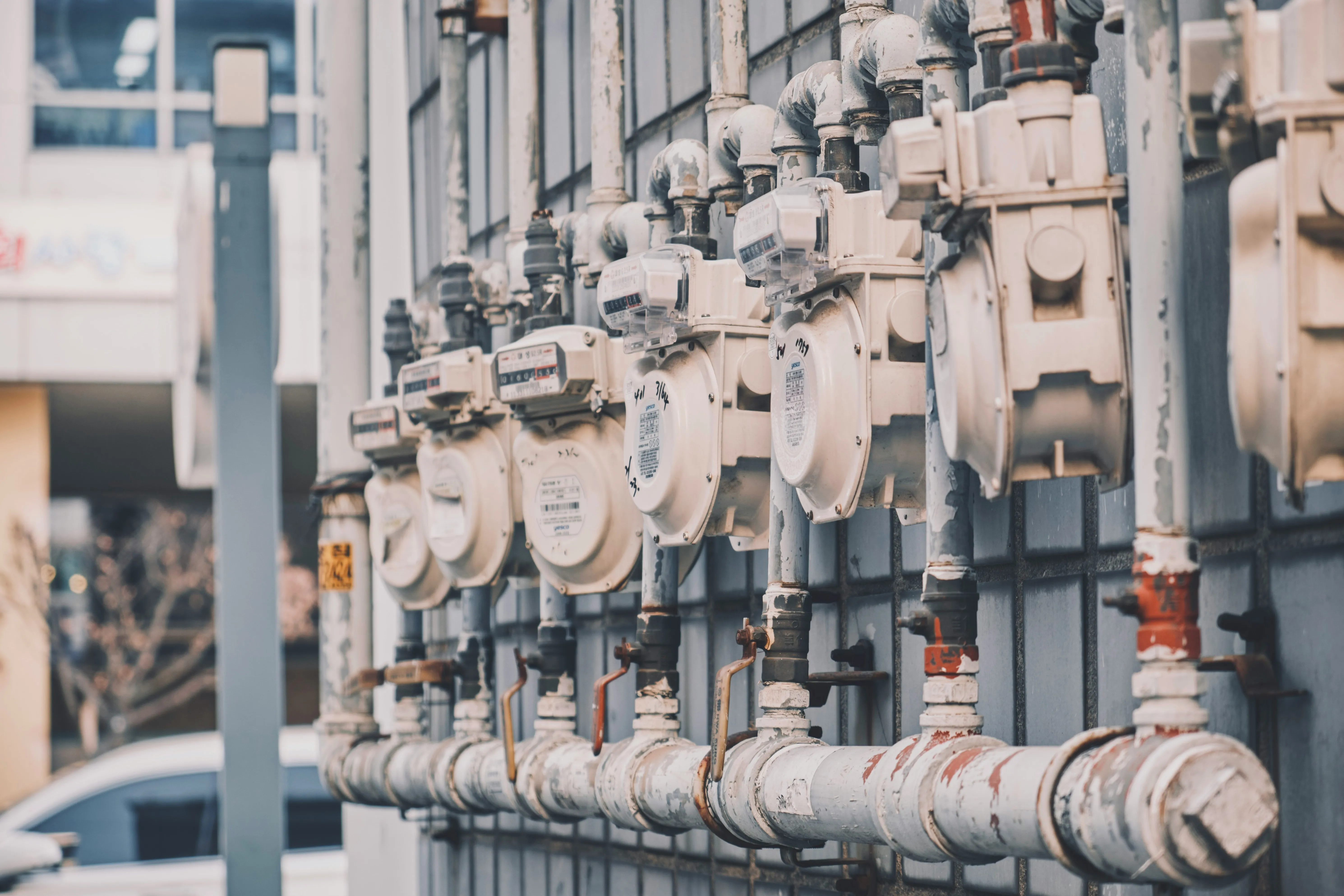
Old buildings have a charm that new construction rarely matches, and Palma's historic centre is a good example of that. But behind stone façades and centuries-old courtyards there's usually a plumbing system that has, quite literally, been building up layers of history for decades. Knowing the most common problems in these installations helps you get ahead of them before they turn into a serious breakdown.
Materials that are no longer installed
One of the most distinctive features is the variety of materials coexisting within the same system. In buildings with many years behind them, it's common to find sections built with materials no longer installed today, such as lead in very old service connections, galvanised iron in sections that corrode over time, or fibre cement in some drainage runs from the mid-twentieth century. This isn't meant to raise alarm: many of these sections have worked without incident for decades, but it is worth having a professional identify them and assess their condition, because older materials behave differently from current ones and their working life, sooner or later, comes to an end.
Limescale and build-up: the bore you gradually lose
Another very common problem is a reduction in internal pipe diameter due to scale build-up. Over the years, water deposits limescale and sediment on the inner walls of the pipe, a process that's more pronounced in areas with harder water, such as much of Mallorca. That gradual narrowing reduces the available flow, causes lower pressure on the upper floors of a building, and makes the system far more prone to blockages, even under normal use.
Cracked joints and hidden leaks
Cracked joints and connections are another classic feature of old installations. Every joint between pipe sections, especially where different materials have been combined across various renovations, is a potential leak point. Over the years, the original seals degrade, the material expands and contracts with temperature changes, and micro-cracks appear that often go undetected until they've already caused damp patches on a wall or the floor below. In thick stone and sandstone walls, water can travel a fair distance before it shows, so the stain is rarely right above the leak; that's why, before breaking anything open, leak detection to pinpoint the exact spot is well worth it.
Roots in courtyards and gardens
In buildings with courtyards, gardens or nearby trees, root intrusion into drainage pipes is a recurring problem. Roots seek out water and nutrients, and a pipe with a slightly open joint or a hairline crack is a perfect way in. Once inside, the root keeps growing and eventually blocks the pipe partially or completely, a problem that usually needs specialised inspection to pinpoint accurately. We cover this in more detail in our article on tree roots in pipes.
Decades of piecemeal renovations
Finally, there's the cumulative effect of decades of partial renovations. It's common for an old building to have gone through several interventions over its life, each following the materials and standards of its time, without an overall view of the whole system. The result is mixed systems, with sections from different eras connected together, diameters that change for no apparent reason, and improvised fixes that, while functional, aren't always the most efficient or safest way to handle the system as a whole.
Shared downpipes and collectors: the weak spot in apartment buildings
In older apartment buildings, many of the problems aren't inside individual flats but in the common parts. The main downpipes collect water from every floor, and the collectors running under the entrance hall, beneath a shop unit or across an inner courtyard carry it to the sewer. These are stretches nobody sees, that often have never been checked, and that carry the load of the entire building. When a downpipe loses bore to scale and grease, the first warning usually reaches the neighbour on the lowest floor, who sees water rising in their shower or sink without having done anything different.
Maintaining these sections is a shared responsibility and is best treated that way: a periodic check of common downpipes and chambers costs far less than a flooded ground-floor flat or shop. We've gathered what's worth knowing about this in our guide to downpipe cleaning for apartment buildings, written with property managers and residents' association presidents in mind.
Before renovating an old flat, look inside the pipes
One of the most common mistakes when renovating an old flat is replacing everything visible and leaving whatever is buried untouched. The bathroom is redone, a new kitchen goes in with modern pipework and, in the end, everything is connected to the same decades-old downpipe or collector. If that section has scale build-up, a back-fall or a broken joint, the problem comes back within months, only now it's under a freshly laid floor.
The sensible way to avoid this is to check the sections you're keeping with a camera before floors and walls are closed up. A CCTV pipe inspection shows the real condition inside, measures where each defect is and lets you decide whether a clean will do or whether that section should be replaced while the works are under way. It's a quick check that, done at the right moment, saves you lifting a brand-new floor.
Looking after an old installation in the meantime
Not every old installation needs replacing straight away, but they do all need more careful handling. Avoid chemical drain cleaners, which are especially hard on old joints and aged metals; don't put wet wipes, oil or solid scraps down the drains; and when cleaning is needed, it should be done with high-pressure water adjusted to the condition and diameter of each section. It's also worth watching for a few signs: damp patches appearing on the ceiling of the flat below, a meter that keeps ticking with every tap turned off, lower pressure on the upper floors, or drains slowing in several flats at the same time. Any of them justifies a check before the problem grows.
At Tuberías y Aljibes we regularly work in Palma's old town, in historic centres such as Sóller and in old country properties across the island, and we know that every old building tells its own story through its pipework. A professional inspection, with CCTV where necessary, makes it possible to genuinely understand the condition of the system before a breakdown occurs, and to plan interventions with proper judgement instead of reacting to one problem at a time.
Frequently asked questions
How do I know if my building has lead pipes?
Lead is usually found in service connections and very old sections, and you can recognise it by its dull grey colour and because it's a soft metal that marks easily. It's often visible near the meter or where the installation starts. If you're unsure, it's best to have a professional identify it and assess whether that section should be replaced.
Does the whole system in an old building need replacing?
Not necessarily. Many old installations have sections in good condition alongside others that really are at the end of their working life. An inspection lets you decide section by section what gets cleaned, what gets repaired and what gets replaced, rather than committing to a full renewal that may not be needed.
Who is responsible for a fault in a building's shared downpipe?
As a general rule, main downpipes and collectors are common elements whose upkeep falls to the residents' association, while branches serving a single flat are usually the owner's responsibility. Each case depends on the building's bylaws and exactly where the problem is, so it's worth checking with the property manager.
Can a very old pipe be cleaned with high-pressure water?
Yes, as long as the pressure and nozzle are matched to the material and condition of the section. Where a pipe's condition isn't well known, the prudent approach is to check it with a camera first, so you know which sections can take the clean and which should be repaired beforehand. We explain the process in our article on CCTV pipe inspection.
Related services
Where we work
Keep reading
24h emergency unblocking
Emergency: +34 695 787 366