How to Prevent Blockages in Industrial Pipes
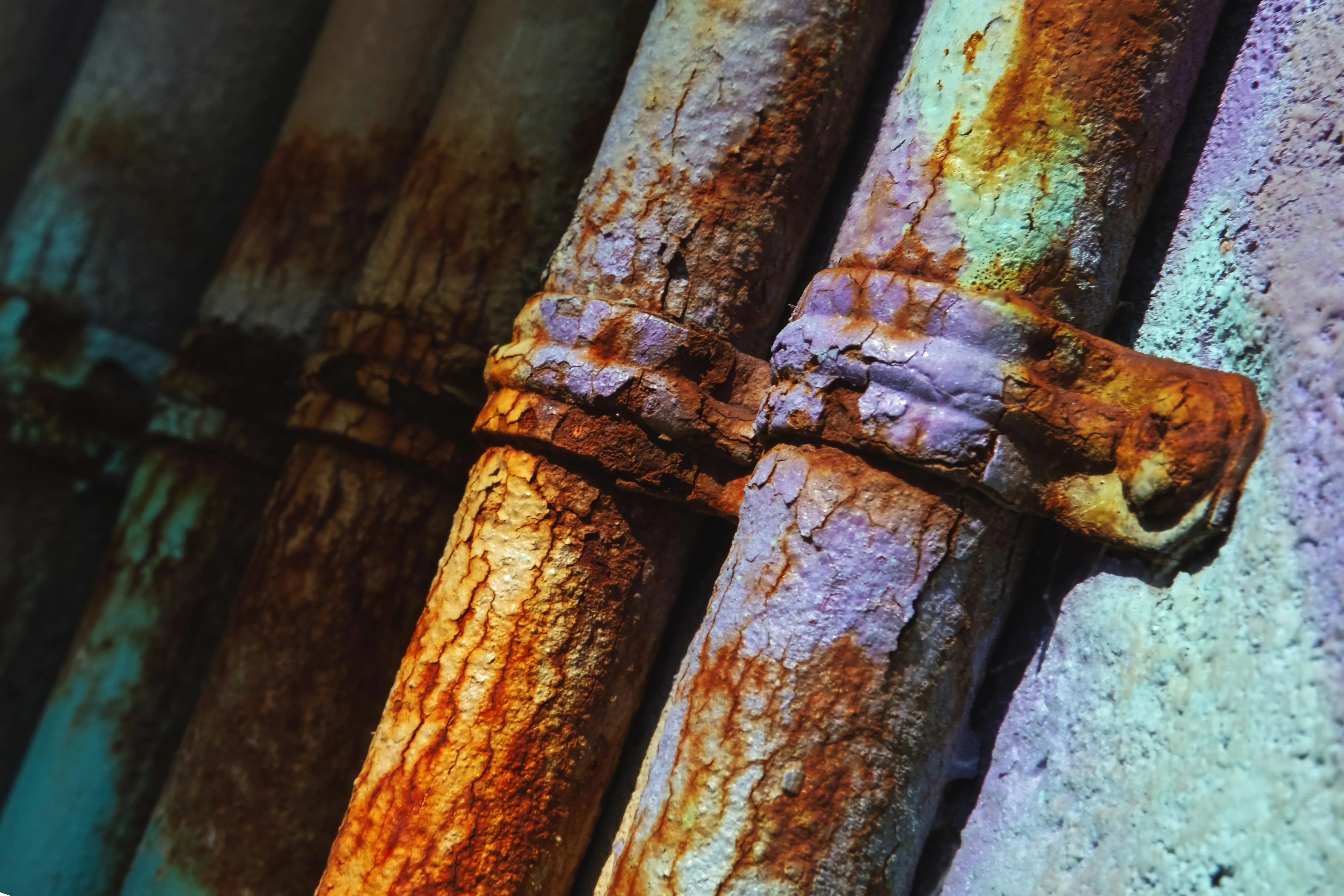
Blockages in industrial and commercial installations have little in common with those in a private home. In restaurants, hotels, workshops or agricultural facilities, the volume of water flowing through the system is much higher, the waste is often harsher on the pipework, and a breakdown doesn't just cause inconvenience: it can mean a business closing temporarily, direct financial losses, and in some cases problems with the authorities if it affects the general sewer network. That's why, in this type of installation, prevention isn't an optional recommendation — it's part of running the business.
Hospitality: grease and the grease trap
In the hospitality sector, the most common cause of blockages is grease. Frying oils, food scraps and cooking fats solidify as they cool inside the pipe, forming a layer that builds up with every service until it drastically narrows the pipe's usable diameter. The grease trap, where one exists, is the first line of defence: it holds back much of that waste before it reaches the sewer network, but it only does its job if it's emptied and cleaned on an appropriate schedule. A saturated grease trap stops filtering and, ironically, becomes the source of the blockage itself.
Beyond the equipment installed, staff training makes a real difference. In kitchens with high staff turnover — very common in Mallorca with seasonal hiring — good habits can easily slip if they aren't reinforced regularly: pouring used oil into a container instead of down the drain, scraping plates before washing them, using strainers or grates over drains to catch solid debris. These are simple actions, but consistently following them makes a huge difference to how long the system lasts. Our list of what not to put down the sink makes a good starting point for a notice in the wash-up area.
Workshops, industrial units and farms
In mechanical workshops and industrial units, the risks change but the principle stays the same. Residue from oils, solvents, metal particles or washing-process sediment can build up in pipes and inspection chambers if there's no proper separation system in place, or if it isn't maintained correctly. It is especially relevant for units on the industrial estates of Palma, Marratxí or Inca, where very different activities share common collectors. In agricultural facilities, particularly those involving irrigation, machinery cleaning or slurry management, the presence of solids and organic matter calls for more frequent inspections than a standard domestic system would need.
Hotels and tourist accommodation: the high-season peak
Hotels and holiday apartment complexes have an added problem: the load isn't constant. In winter many run at reduced capacity or close altogether, then within a few weeks they're at full occupancy, with buffet kitchens, laundry, changing rooms, pool showers and dozens of bathrooms all working at once. Downpipes and collectors that have spent months with little flow and residue drying inside them suddenly take the whole volume of the season.
The way to avoid a blockage in the middle of August, with the establishment full, is to schedule maintenance for the quiet periods: a clean of collectors and separators before opening in spring, and another check when the season closes, when work can be done without disturbing anyone. In multi-storey buildings it's worth including downpipe cleaning too, because that's where the grease and limescale from many rooms ends up concentrating.
Scheduled preventive inspection
Scheduled preventive inspection is, in every one of these cases, the most effective tool. Rather than waiting for a problem to appear, reviewing the system on a set schedule makes it possible to catch early build-up, chambers that are starting to saturate, or sections of pipe with reduced flow, and to act before they turn into a full blockage. This schedule should be tailored to the type of activity: a high-volume restaurant doesn't have the same needs as a workshop with more occasional activity.
When the same point keeps blocking
When a system has a certain level of complexity, or when the same point keeps blocking with no obvious cause, CCTV inspection is a very useful tool. It allows you to see inside the pipe without any excavation work, pinpoint the exact source of the problem — whether it's a build-up, a root, a damaged joint or a poorly executed change in diameter — and decide on the right solution based on real information rather than guesswork.
What a business maintenance plan should include
A useful maintenance plan starts with knowing what's under the floor. The first step is to list every inspection chamber, access point, grease or hydrocarbon separator and downpipe in the installation, and mark them on a simple plan. It sounds obvious, but in many premises nobody knows where the chamber is until it overflows, and in an emergency precious time is lost looking for it under a cold room or a shelving unit.
From there, the plan sets a frequency for each element according to the activity: emptying the grease trap, high-pressure jetting of the collectors — our trucks handle pipes from 32 mm to 350 mm, which covers everything from a commercial sink waste to the main collector of an industrial unit — and camera inspection of the problem sections. It's best to schedule the work for the quietest hours so it doesn't interfere with service, and to keep a record of each visit. Waste removed is handed over to authorised handlers, and that orderly history is very useful if the town council or the water company ask questions about discharges.
What to do if a blockage hits mid-service
Even with good maintenance, a blockage can turn up at the worst moment. If it does, stop running water into the affected points, don't use chemical drain cleaners — besides damaging the system, they're a hazard for whoever has to work on it afterwards — and don't open an overflowing chamber without proper protection. The most effective step is to call straight away: our 24-hour emergency unblocking service works seven days a week on 695 787 366, and the sooner we act, the sooner the kitchen is back up and running.
At Tuberías y Aljibes we've worked with hospitality businesses, hotels, workshops and agricultural facilities across Mallorca for more than fourteen years, and we know that a maintenance plan tailored to each type of activity is, by far, the investment that saves the most in the long run.
Frequently asked questions
How often should a restaurant's grease trap be emptied?
It depends on the size of the trap and how busy the kitchen is, so there's no single figure. The sensible approach is to set an initial frequency, check the condition of the trap at each emptying and adjust the schedule from there. If the grease layer takes up a large part of the volume by the time it's emptied, the interval is too long.
Is a grease trap mandatory for hospitality premises?
In many municipalities, discharge bylaws require professional kitchens to have a grease separation system before connecting to the sewer, but the specific requirements vary from one town council to another. It's best to check with your town council or the company that runs the sewer network in your area before opening or refurbishing the premises.
Can maintenance be done without stopping the business?
In most cases, yes. Scheduled cleans are planned for the quietest hours or closing days, so service isn't affected. For emergencies, we work around the clock, every day of the week.
What waste should never go down a workshop drain?
Used oils, solvents, paints, antifreeze and fuel residue should never be poured down the drain: they damage the system, can contaminate the network and must be handed to an authorised waste handler. Sludge and sediment from washing areas should also be held in a separator and removed regularly. If you're unsure which technique suits your network, we compare the options in manual unblocking vs specialised machinery.
Related services
Where we work
Keep reading
24h emergency unblocking
Emergency: +34 695 787 366